DR Congo changes World Cup plans after Ebola outbreak triggers travel restrictions
The Democratic Republic of Congo’s national football team has been forced to change its preparation plans for the 2026 FIFA World Cup after an Ebola outbreak triggered new health and travel restrictions. The team had initially planned to hold activities in Kinshasa, including a farewell ceremony and fan events before travelling to the United States. […] The post DR Congo changes World Cup plans after Ebola outbreak triggers travel restrictions appeared first on HESPRESS English - Morocco News.
The Democratic Republic of Congo’s national football team has been forced to change its preparation plans for the 2026 FIFA World Cup after an Ebola outbreak triggered new health and travel restrictions.
The team had initially planned to hold activities in Kinshasa, including a farewell ceremony and fan events before travelling to the United States. However, those plans were cancelled because of the outbreak, and the squad will continue its preparations in Belgium instead.
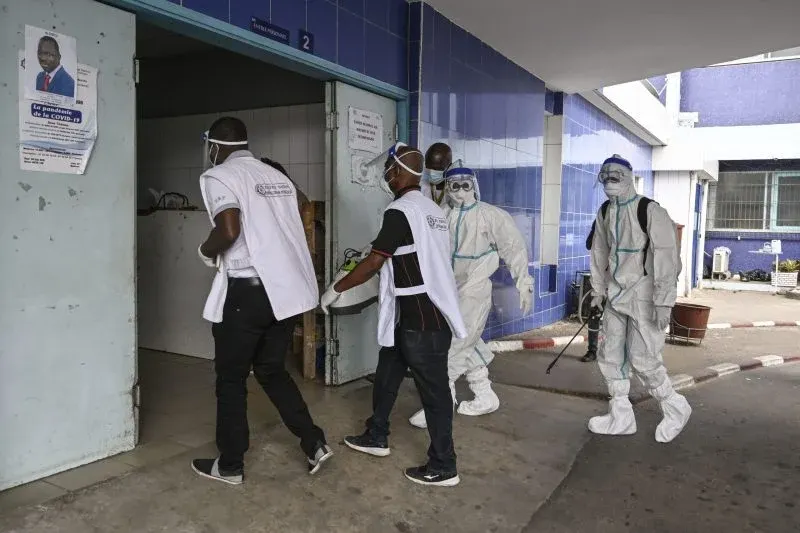
According to Reuters, non-US citizens who have been in the Democratic Republic of Congo, Uganda or South Sudan during the previous 21 days may face entry restrictions into the United States. This forced DR Congo’s football authorities to adjust the schedule quickly so that players and staff could avoid travel complications before joining their World Cup base in Houston, Texas.
The current outbreak is caused by the Bundibugyo virus, a dangerous variant of the Ebola virus, and has raised concern because of the rapid increase in suspected cases and deaths in DR Congo, mainly in Ituri Province.
According to the World Health Organization, the country had recorded 246 suspected cases and 80 deaths by 15 May 2026, while the European Centre for Disease Prevention and Control later reported more than 500 suspected cases and 130 deaths by 19 May 2026, including 30 laboratory confirmed cases. The situation is also worrying because there is no widely available approved vaccine for the Bundibugyo strain.
Ebola virus lineages are considered highly dangerous because they are often fatal and can spread through direct contact with the bodily fluids of infected people or contaminated materials. According to the WHO, the average fatality rate is around 50%, although past outbreaks have ranged from 25% to 90%.
During the 2014–2016 West Africa outbreak, the epidemic caused 28,652 cases and 11,325 deaths over 28 months, including many health care workers.
Continue with Matchday Global
Source: Hespress
More stories

Chelsea star Joao Pedro to discuss future with Xabi Alonso amid Barcelona interest

Report Allegri had dinner with Napoli director amid Milan tension
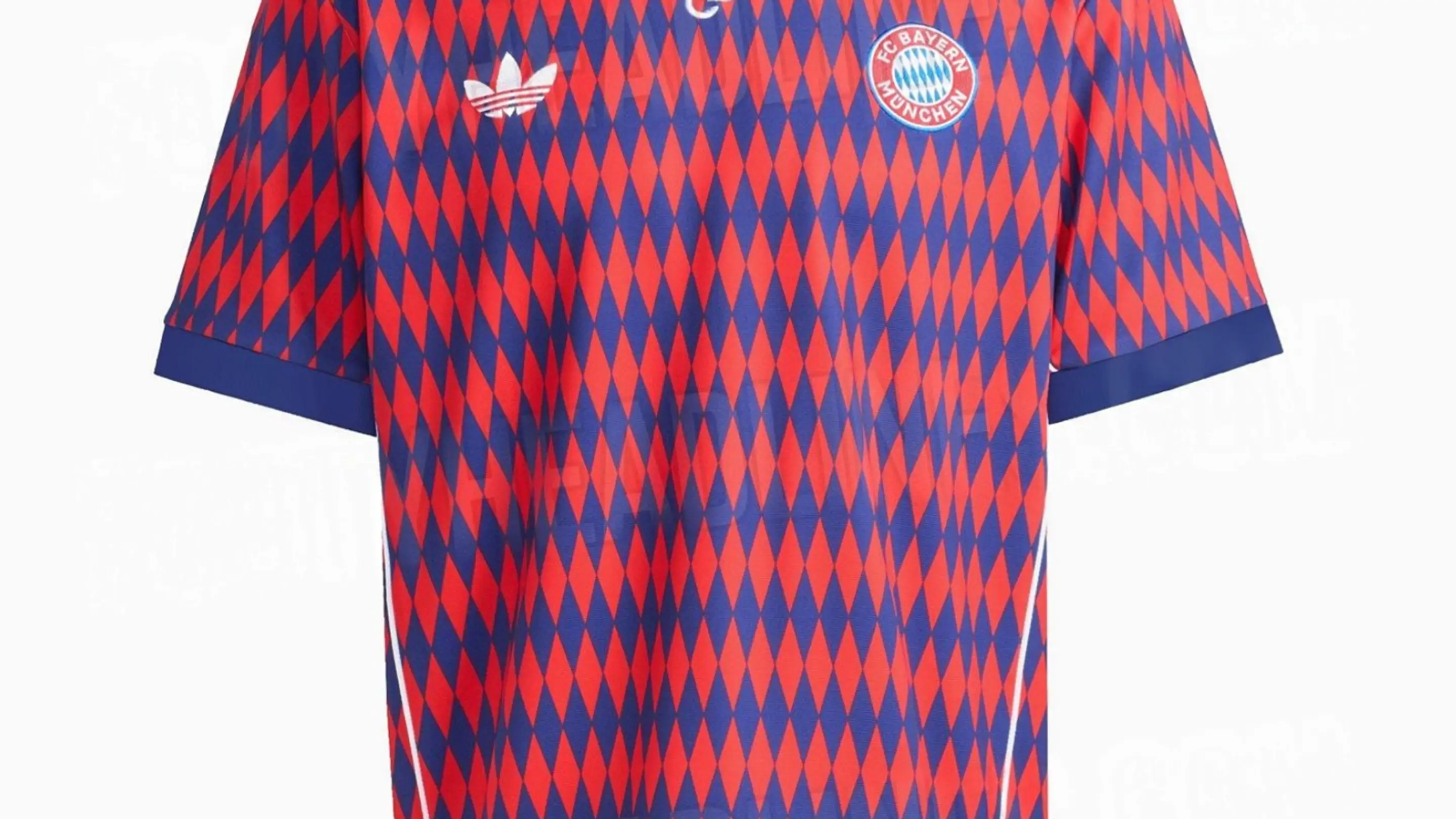
Bayern Munich 2026 retro kit leaks - and it’s another classy adidas stunner