Socceroos’ African heritage offers timely reminder of Australia’s diversity | Jack Snape
Culture and community helped Mo Touré and Nestory Irankunda become the footballers they are today – and their spark may ignite this World CupOne hails from West Africa, born in Guinea after his family fled Liberia. The other comes from the east of the continent, taking his first breath in a Tanzanian refugee camp after his parents escaped Burundi.Longtime friends Mo Touré, 22, and Nestory Irankunda, 20, are shining beacons for Australia’s African community, and a reminder that the Socceroos – despite ongoing political rhetoric demonising migrants – are a symbol of modern Australia. The pair’s…
One hails from West Africa, born in Guinea after his family fled Liberia. The other comes from the east of the continent, taking his first breath in a Tanzanian refugee camp after his parents escaped Burundi.
Longtime friends Mo Touré, 22, and Nestory Irankunda, 20, are shining beacons for Australia’s African community, and a reminder that the Socceroos – despite ongoing political rhetoric demonising migrants – are a symbol of modern Australia. The pair’s connection is the spark set to ignite the national team at next month’s World Cup in North America.
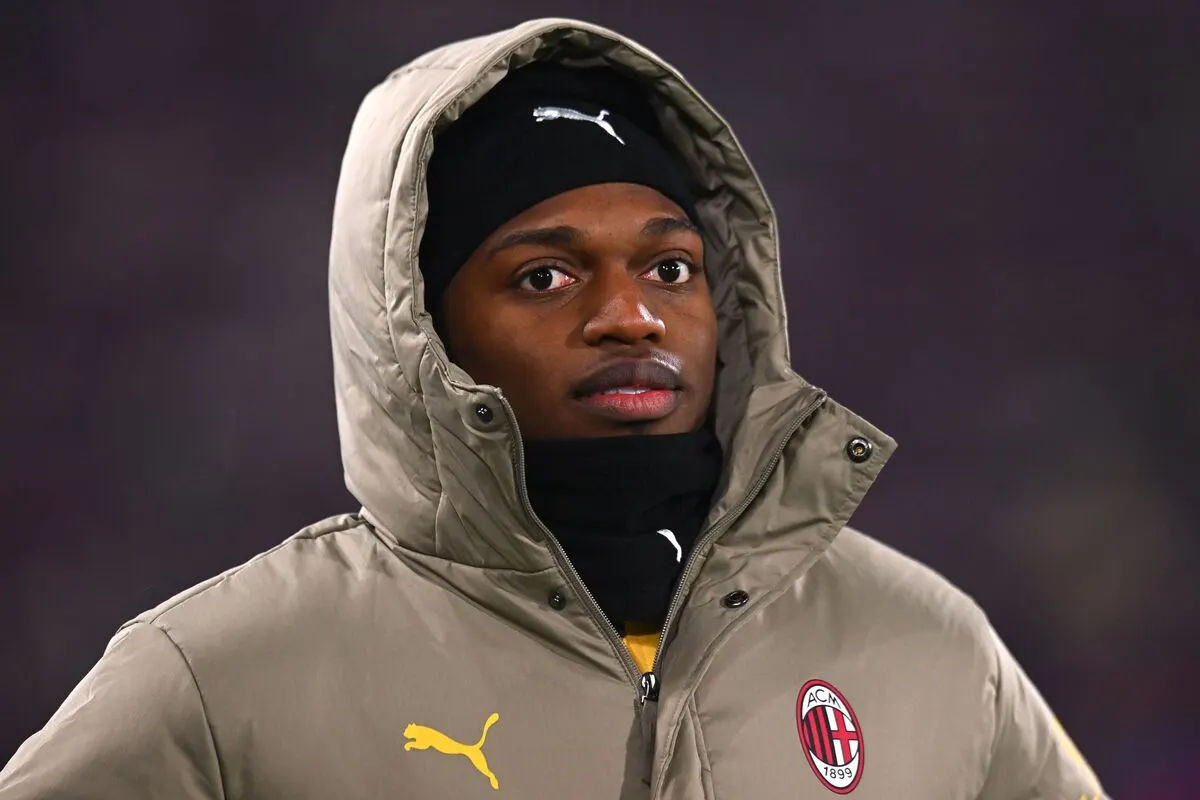
Having scored 9 goals in 11 matches in England’s Championship since joining Norwich in January, Touré will assume responsibility of being the Socceroos’ leading striker at the World Cup. “It will mean a lot to me and my family,” he says from the pre-tournament camp in Florida. “[Australia] is the country that gave us the opportunity to live, so I think it will be the best way to repay back, and just do what I love at a top level.”
Irankunda also plays in the Championship with Watford. His pace and power will make an impact whether he is starting or coming off the bench. Having spent a full season in England’s second tier, the winger said Touré’s run of form “is not an easy achievement”, and the Socceroos squad have enough quality to spring a World Cup surprise. “We’ve got to wait and see what happens, but I feel like we can go all the way,” he told Channel Ten before he left for the US.
In the past five years, 12 players with African heritage have played for the Socceroos, according to Football Australia statistician Andrew Howe, the most recent being Lucas Herrington whose father is from Zimbabwe. That represents an explosion. The equivalent five-year period two decades years ago produced just one: Patrick Kisnorbo, whose father is Mauritian.
Australia’s African-born population is now more than 500,000 according to the Australian Bureau of Statistics, a figure that has more than doubled in the past 20 years. While South Africa provides close to half this number, there is strong growth among people born in Nigeria, Ethiopia, Congo, South Sudan and Kenya.
South Australia has emerged as a hotbed of footballing talent thanks to its diverse African community. In addition to Touré and Irankunda, Awer Mabil – who was born in Kenya to South Sudanese parents – is another to have progressed through junior football in Adelaide, and has been described by Irankunda as a mentor.
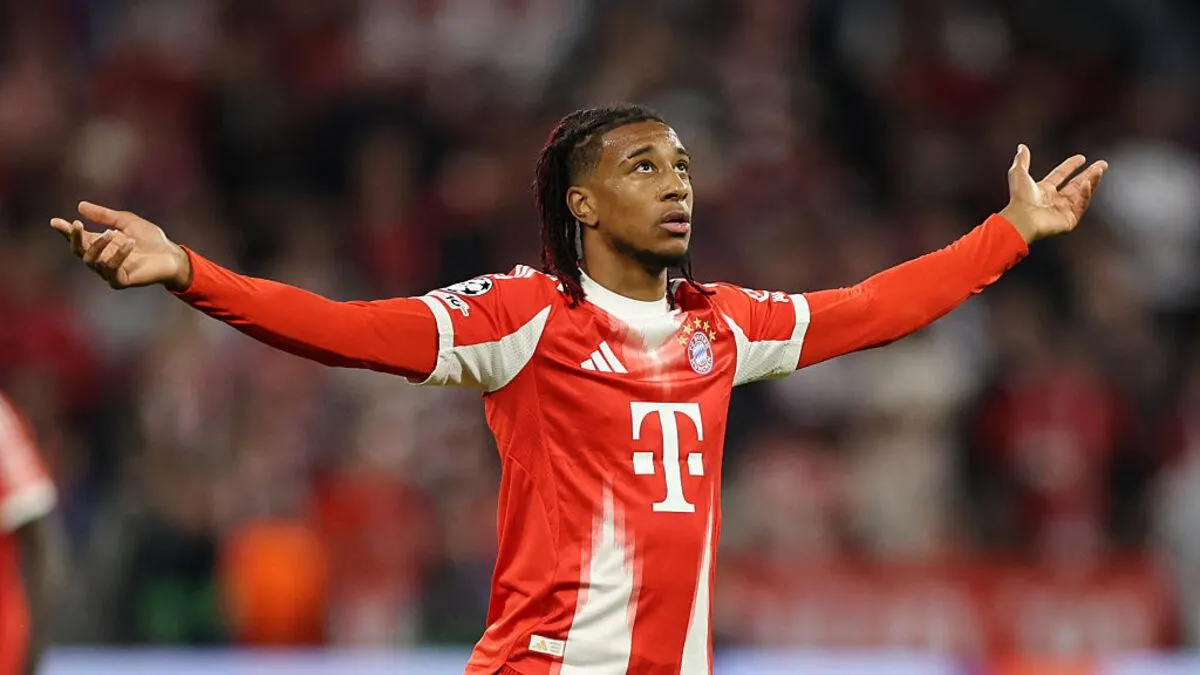
The 30-year-old, now playing for Castellon in Spain’s second division and on the brink of Socceroos selection, said Irankunda is developing steadily, despite setbacks when he first arrived in Europe. The explosive talent struggled to secure playing time at Bayern Munich, and his form was mixed during a season at Grasshopper. “The biggest thing I’ve seen is his attitude has really matured,” Mabil says.
“Sometimes he’s disappointed that he’s not starting, which is normal for you to feel down as a player. But I try to tell him, it’s all about how you respond. Whatever you can’t control, don’t focus on that.”
Former Socceroo Bruce Djite was born in the US to a father from Côte d’Ivoire and a Togolese mother. His family moved to Sydney when he was three, before he settled in Adelaide, going on to play nine times for the national team at a time when an African-Australian in a Socceroos dressing room was still unusual.
Now 39 and working for Property Council in Adelaide in between media commitments, Djite says he admires the current crop of Socceroos, who have largely migrated to Australia through humanitarian pathways. “There is often a more challenging path which migrants have to take, especially refugees,” he says.
“This cohort tend to face adversity and several challenges, which builds resilience. Players who can successfully navigate these challenges and persevere to arrive at the highest level are generally very well equipped to deal with the challenges of the professional game.”
Touré, Irankunda and Mabil are in a team of former refugees named on Wednesday by UNHCR, called “gamechangers”, a concept that the refugee agency said embodies “the power of what is possible when people displaced by war and persecution are met with safety, opportunity and welcome”.
Others will soon follow in their footsteps. Sydney FC attacker Akol Akon turns 17 on Thursday, and will become the A-League Men’s youngest grand finalist on Saturday, after he helped set up a vital goal against Newcastle in the second semi-final. “Being a Sudo [Sudanese], they reacted a lot,” Akon said of his family’s response to the victory. “I got a lot of texts, a lot of messages from my family, from my cousins, from the community back home.”
Most major Australian cities now have their own African Cup of Nations tournament, bringing together the diverse diaspora to compete under the flags of their heritage. Adelaide’s edition is run by the African Communities Council of South Australia and is perhaps the most respected. Djite said the tournament provides an opportunity for continental pride, as much as national rivalries. “If Irankunda and Toure were to show up there, I would argue that 99% of those people playing there would consider them their idols,” he says.
Now more than 25 years old, the most recent edition of Australia’s African Cup of Nations was in November. South Sudan won the women’s competition and DR Congo took out the men’s. It has become a celebration of African cultures in Australia, and a source of pride for African-Australians.
Yet for Touré and Irankunda, the power of football in suburban Adelaide is more simple. “It’s a tight community down there, we all kick ball together in the park,” Touré said earlier this year, in a Socceroos video about the pair’s friendship. “I think I met him for the first time in a school soccer match, and we beat them. From then on I just said, ‘He’s a good player, come down and play with us at the park.’”
Continue with Matchday Global
Source: The Guardian Football