African football facts: Why the game keeps getting stronger across the continent
African football is often discussed through its biggest stars, but the real story is wider than that. The continent has elite national teams, powerful club sides, deep football cultures and a growing influence on the world game. From Morocco’s rise to the CAF Champions League, African football is…
African football is often discussed through its biggest stars, but the real story is wider than that. The continent has elite national teams, powerful club sides, deep football cultures and a growing influence on the world game. From Morocco’s rise to the CAF Champions League, African football is no longer just producing talent for Europe. It is building stronger competitions of its own.
The interest around the game keeps growing as well. Major tournaments such as the Africa Cup of Nations now draw global audiences, while more supporters follow African players in the Premier League, La Liga, Serie A and the Bundesliga. Some fans also look at football betting markets before major AFCON or World Cup qualifying matches, but the appeal of African football goes far beyond predictions. It is about identity, style, pressure and pride.
What makes African football so compelling is its range. North African sides often bring tactical structure and strong club systems. West Africa has produced some of the most explosive attacking players in world football. Southern Africa has built competitive club teams, while Central and East African nations continue to develop talent in more difficult conditions.
One of the biggest recent facts is that Africa has more room on the World Cup stage. The expanded 2026 FIFA World Cup gives Africa nine direct qualification places, with a possible additional place through the FIFA play-off tournament. FIFA’s qualifying format reflects the larger 48-team tournament, which gives more African nations a real chance to reach the finals.
That matters because African football has often felt underrepresented at the World Cup. The continent has produced strong teams for decades, but the number of available places made qualification brutal. A good side could miss out after one poor away result or one difficult group.
The larger format should help more teams build experience. Regular World Cup appearances can change a football nation. They improve funding, raise expectations and give young players clearer role models.
Morocco’s run to the 2022 World Cup semi-finals changed how many people viewed African football. It was not treated as a lucky run because Morocco beat major opponents with discipline, belief and tactical clarity. That performance showed that an African team could compete deep into a World Cup without losing its identity.
Morocco’s strength has continued through hosting and infrastructure. The 2025 Africa Cup of Nations was staged in Morocco from Dec. 21, 2025, to Jan. 18, 2026, with CAF confirming the country as host for the tournament.
Hosting AFCON also reinforced Morocco’s position as one of Africa’s major football centres. Strong stadiums, professional organisation and a deep player pool have helped the country become one of the continent’s reference points.
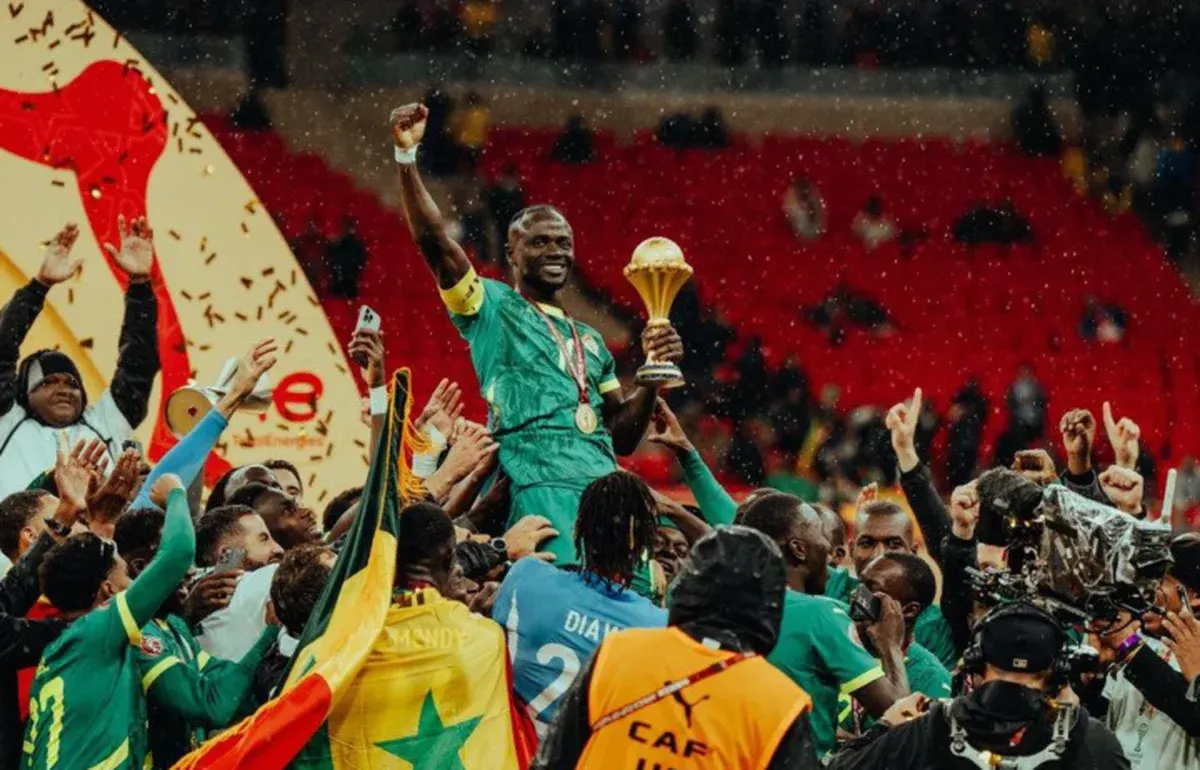
The Africa Cup of Nations has sometimes been misunderstood outside the continent. Some European clubs have treated it as an inconvenience because it takes players away during the season. That view misses the point. AFCON is one of the most intense international tournaments in world football.
The competition brings together different styles, difficult conditions and huge emotional pressure. It is not easy to win. Big names can go out early. Smaller nations can create shocks. Matches can swing on set pieces, goalkeeping, penalties or one moment of individual quality.
The 2025 edition in Morocco was also notable because it was played across the Christmas and New Year period, a rare scheduling move caused by the packed global football calendar. That showed one of the modern challenges for African football: finding space in a calendar dominated by European club competitions and expanded FIFA events.
African club football is often ignored by casual viewers, but the CAF Champions League remains one of the toughest competitions on the continent. Travel is demanding, away games can be hostile, and the differences in climate, pitch conditions and altitude can make fixtures difficult.
Egyptian giants Al Ahly have dominated large parts of the competition’s modern history, with WorldFootball.net listing them as 12-time winners after their 2023-24 success. But the 2024-25 CAF Champions League showed that the field is not closed. Pyramids FC won their first title, beating Mamelodi Sundowns 3-2 on aggregate in the final.
That result mattered. Pyramids are a newer power in Egyptian football compared with Al Ahly and Zamalek, while Sundowns have been one of South Africa’s strongest clubs. Their meeting showed the growing depth of African club football and the way investment, coaching and recruitment are reshaping the competition.
North African football remains one of the continent’s strongest regions. Egypt, Morocco, Tunisia and Algeria have deep football cultures, strong domestic clubs and long histories in continental competitions.
There are practical reasons for this strength. Many clubs in North Africa have better infrastructure, larger fan bases and stronger professional systems than clubs in less wealthy or less stable football environments. That does not guarantee success, but it gives players and coaches a better platform.
North African teams are often tactically disciplined. They are used to high-pressure matches, packed stadiums and continental competition. That experience can be decisive in AFCON and CAF club tournaments.
West Africa remains one of the world’s most productive football regions. Senegal, Ivory Coast, Ghana, Nigeria and Mali have all produced players who have shaped major European leagues.
The talent pipeline is built on street football, academies, local clubs and migration routes into Europe. Many young players grow up playing in demanding environments where technical quality and physical courage develop early.
Senegal’s recent period has been especially strong. The country has built a balanced national team identity around athleticism, discipline and high-level European experience. Ivory Coast, Ghana and Nigeria also remain major names, even when results rise and fall.
One of the best stories in modern African football is the rise of smaller nations. Cape Verde has become a respected example. With a smaller population and fewer resources than many rivals, they have still built competitive national teams through organisation, diaspora connections and clear recruitment.
This matters because African football is not only about the traditional giants. Smaller nations can now compete if they build smartly. Scouting diaspora players, improving coaching and creating stronger national-team structures can close gaps.
The same applies to countries such as Mauritania, Comoros and Equatorial Guinea, who have shown that AFCON qualification and competitive performances are possible with planning.
African football’s global influence is clearest in Europe. Players from the continent have shaped the Premier League, Ligue 1, Serie A, La Liga and the Bundesliga for decades.
Continue with Matchday Global
Source: AllNigeriaSoccer