The EU pact on Migration and Asylum in force: What impact on Moroccans?
The European Union put into effect a new Pact on Migration and Asylum on June 12, adopted since 2024, tightening external border controls and speeding up asylum decisions, a shift experts say is expected to affect Moroccans amid stricter screening and returns. The pact means that migrants arriving in the EU will be quickly registered […] The post The EU pact on Migration and Asylum in force: What impact on Moroccans? appeared first on HESPRESS English - Morocco News.
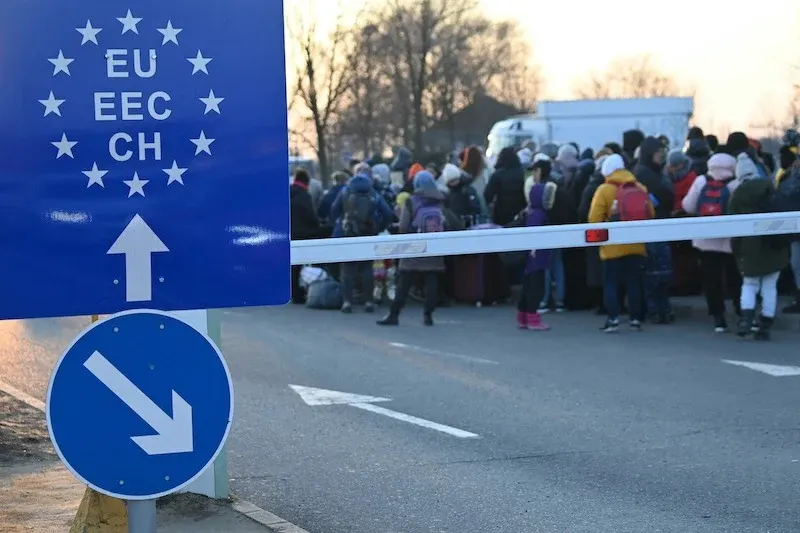
The European Union put into effect a new Pact on Migration and Asylum on June 12, adopted since 2024, tightening external border controls and speeding up asylum decisions, a shift experts say is expected to affect Moroccans amid stricter screening and returns.
The pact means that migrants arriving in the EU will be quickly registered and checked for identity, security, and health, with faster procedures for those unlikely to get protection and quicker returns if their claims are rejected.
It also introduces shorter deadlines for asylum decisions and stricter handling of repeated or unfounded applications, while keeping basic rights such as legal assistance.
At EU level, countries will also share responsibility for managing arrivals, with each member state contributing in different ways when others face higher pressure.
The new pact, according to Hassan Bentaleb, a researcher on migration issues, could affect some Moroccans.
“Under the new rules, Moroccans who travel to the EU and seek asylum there may find it harder to have their applications accepted, as Morocco is now considered a safe country,” he said.
In February 2026, the European Parliament and the Council of the EU included Morocco on the bloc’s first list of safe countries of origin, alongside Tunisia, Egypt, India, and Bangladesh.
The designation allows EU countries to process asylum claims from nationals of these countries more quickly and, in some cases, reject applications if applicants can be considered safe in their country of origin or another safe country.
Bentaleb said that, in general, return procedures for irregular migrants are expected to increase in the coming period, as seen in current EU trends and recent talks on migration management.
The researcher also pointed to the issue of returns, with the EU seeking to increase the return of irregular migrants.
“This is a move that could lead to more deportations to Morocco and raise challenges for human rights and diplomatic ties, particularly with other African countries,” he said.
Still, Bentaleb stressed that despite close cooperation with the EU, Morocco is not Europe’s border guard and retains sovereignty and freedom in decision-making and policy implementation.
According to the Human Rights Watch, the new EU rules may weaken the right to asylum by making decisions faster, reducing protections, and increasing detention for asylum seekers.
It added that governments can refuse asylum in cases of “mass influx” or “instrumentalized” migration and shift responsibility to countries outside the EU.
Some asylum seekers could be held for up to 6 months, including up to 12 weeks during processing and another 12 weeks before possible deportation.
Continue with Matchday Global
Source: Hespress
More stories

Man Utd to Make Opening Bid for West Ham Midfielder Mateus Fernandes

Pulse promise to 'spoil party' after setting up Thunder final in Manchester

Newcastle can't make things any clearer for Nick Pope - he's no longer wanted